
 by
by 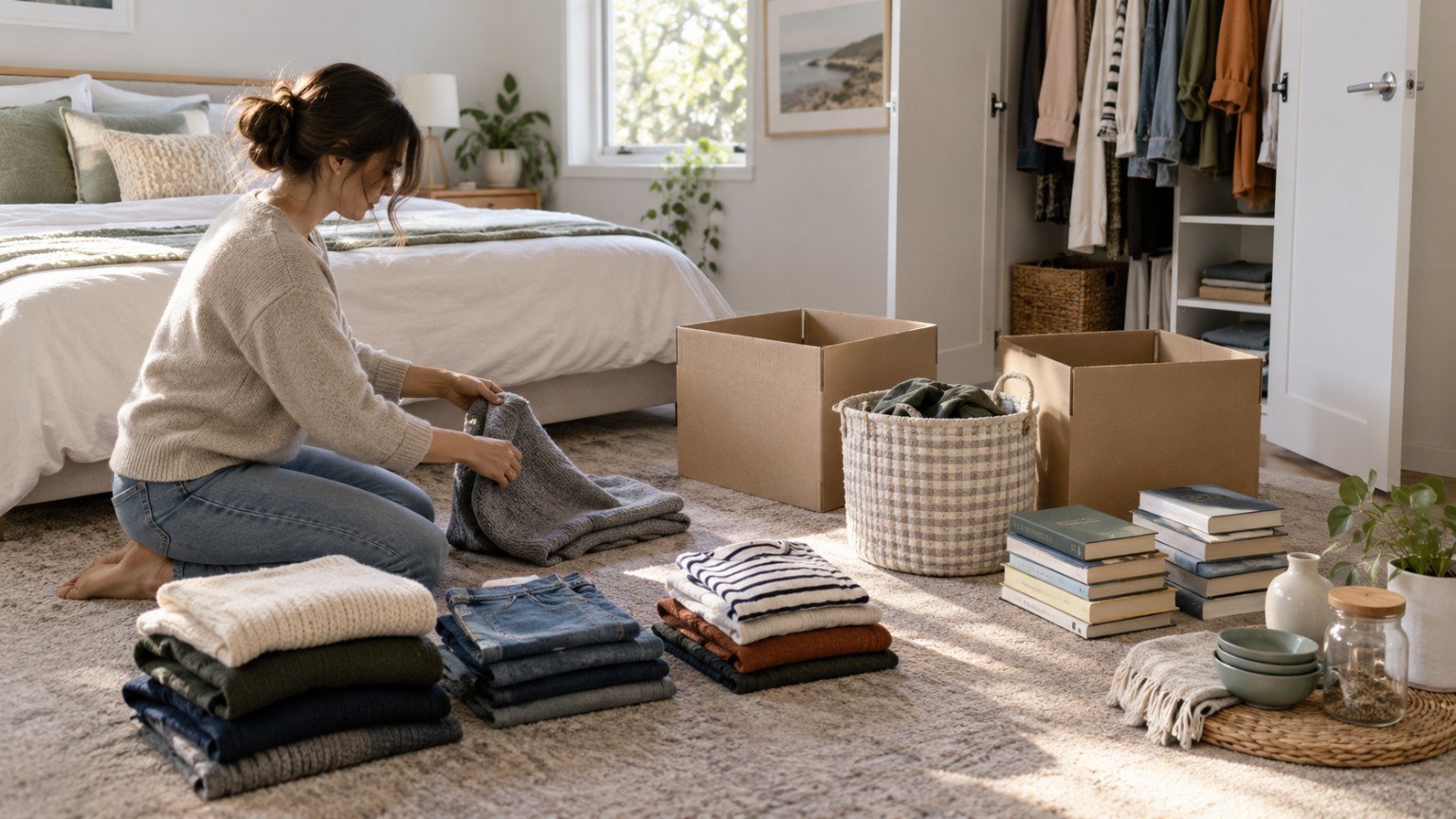
Decluttering an entire house can feel overwhelming when you look at it as one giant task. The most realistic approach is to break it down room by room, with a clear, manageable process for each space, rather than trying to tackle everything in a single exhausting weekend. This guide walks through a practical, room-by-room approach that works whether you are decluttering ahead of a move, preparing to sell, or simply trying to reclaim some space.
Why a room-by-room approach works better
Trying to declutter an entire house at once often leads to half-finished piles in every room and a sense of never actually making progress. Working through one room at a time, and genuinely finishing it before moving on, gives you visible wins and keeps the process manageable, even around a busy schedule.
Before you start: set a simple system
For each room, use the same basic sorting categories so you are not reinventing the process every time:
- Keep: items you use regularly or genuinely value.
- Donate or sell: items in good condition that someone else could use.
- Repair or repurpose: items worth fixing or reusing elsewhere in the home.
- Dispose: items that are broken, expired or no longer usable.
Having four labelled boxes, bags or areas ready before you start each room saves time and decision fatigue.
Working through the house, room by room
Bedrooms
Start with wardrobes and drawers, since clothing is often one of the biggest sources of clutter. A simple rule many people find useful is to be honest about anything not worn in the past twelve months. Check under the bed and on top of wardrobes too, as these spots often become long-term storage for items that are easy to forget about.
Bathrooms
Bathrooms tend to accumulate expired or half-used products. Go through cabinets and check use-by dates on medications and skincare, and be realistic about products you bought but never use. This is usually one of the quicker rooms to declutter.
Kitchen
Start with duplicate or rarely used gadgets, mismatched containers and expired pantry items. Kitchens often hold onto appliances used once or twice a year, so consider whether items genuinely earn their storage space, or whether they could be borrowed or replaced if needed later.
Living areas
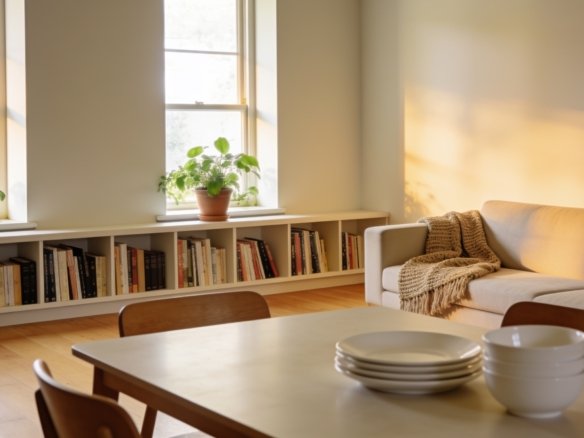
Living rooms accumulate a mix of media, decor and general household items over time. Focus on surfaces first, such as shelves and coffee tables, then move to any storage furniture. Ask whether each item is actually used or displayed, rather than just sitting there out of habit.
Home office or study
Paperwork is usually the biggest culprit here. Sort into documents you must keep (such as tax, legal or property records), documents worth digitising, and paper that can be recycled. Old cables, outdated electronics and unused stationery are also common candidates for a clear-out.
Garage, shed and storage areas
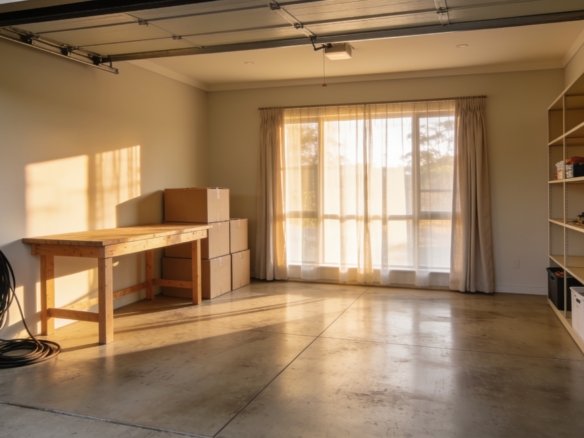
These spaces often become a catch-all for items with no other home. Work in sections rather than trying to clear the whole area at once, and be cautious with anything you are unsure about disposing of yourself, such as old chemicals or paint, which usually need to go to a designated council collection point rather than general rubbish.
Children’s rooms and shared family spaces
Toys, books and outgrown clothing build up quickly in family homes. Involving kids in age-appropriate decisions about what to keep or donate can make the process smoother and help avoid conflict later.
Keeping the momentum going
Once you have worked through each room, the real challenge is preventing clutter from creeping back in. A few habits help maintain the result:
- Deal with a donation or disposal pile promptly rather than letting it sit in the garage for months.
- Apply a simple “one in, one out” habit for categories that tend to accumulate, such as clothing or kitchen gadgets.
- Revisit high-traffic storage areas, such as the pantry or entryway, every few months rather than waiting for another major clear-out.
A realistic, room-by-room win
Decluttering does not need to happen in one exhausting push. Working through the house methodically, room by room, with a simple sorting system, makes the task far more achievable and helps the results actually stick. Whether you are getting ready to downsize, preparing for a move, or simply want a calmer home, this approach turns an overwhelming job into a series of manageable ones.
If decluttering is part of a bigger move toward a smaller home, see our related look at downsizing, body corporate realities and the downsizer super contribution.
Join The Discussion