
 by
by 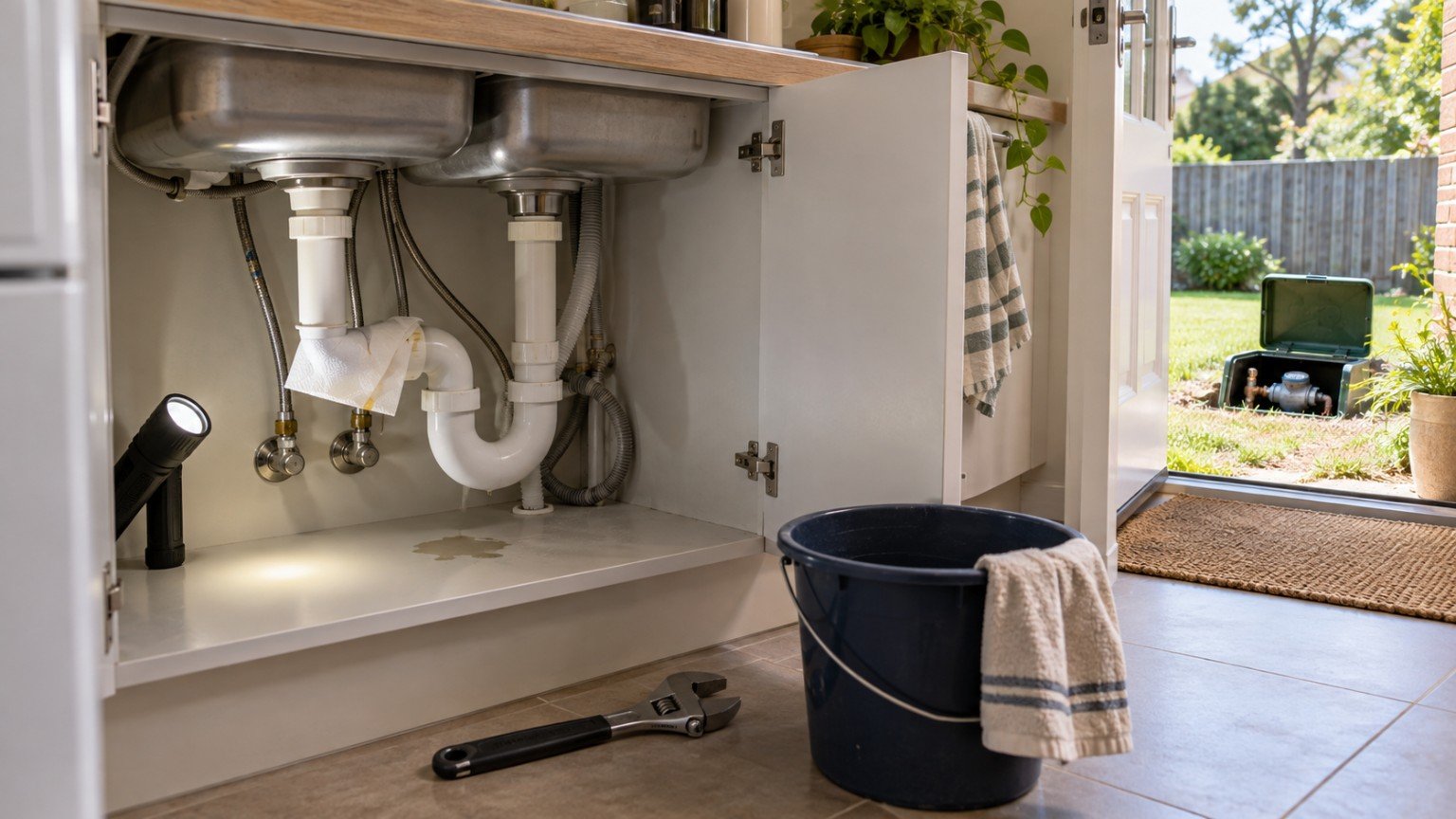
Not every plumbing leak announces itself with a puddle on the floor. Some of the most costly leaks are the ones you cannot see at all, running quietly behind a wall, under a slab or beneath the house for weeks or months before there is any obvious sign. Catching a hidden leak early can save a genuinely large amount of water, money and structural damage, so it is worth knowing what to look and listen for.
This guide covers detection only. Once you suspect a hidden leak, the actual repair is a job for a licensed plumber, since pipework behind walls or under slabs is not a safe or appropriate DIY fix.
Check your water bill first
A water bill that has crept up noticeably without any change in household habits is one of the clearest and easiest signs to check. Compare your last two or three bills, or your usage graph if your provider offers one online. A steady, unexplained increase is a strong prompt to investigate further, particularly if nobody in the household has changed their water use.
Read your water meter
This is the single most reliable at-home check. Turn off every tap, appliance and irrigation system in the house, then note the exact reading on your water meter. Wait at least one hour without using any water, then check the meter again. If the number has moved, water is flowing somewhere in the system even though nothing is meant to be running, which strongly suggests a leak. Many meters also have a small leak indicator dial that spins if there is any flow at all, worth checking as a quicker first pass.
Damp patches, discolouration and unexplained mould
A patch of carpet, timber flooring or plasterboard that stays damp or discoloured for no obvious reason, especially away from a bathroom or kitchen, can point to a pipe leaking inside a wall or under the floor. Similarly, mould or a musty smell appearing in an area with no history of moisture problems is worth taking seriously rather than just cleaning and hoping it does not return.
Warm patches on the floor
If a hot water pipe is leaking under a slab, you may notice a patch of flooring that feels warm to the touch even though there is no heating nearby, sometimes alongside a section of carpet or tile that feels slightly damp as well.
The sound of running water
A hissing, dripping or running sound coming from inside a wall, floor or ceiling cavity when nothing is turned on is one of the more unsettling but useful signs. It is easiest to notice late at night or first thing in the morning when the house is otherwise quiet.
Unusually green or lush patches in the yard
Outside, keep an eye out for a section of lawn or garden that stays noticeably greener and grows faster than the surrounding area, particularly during dry weather. This can point to a leaking pipe running underground nearby.
Cracks appearing where there weren’t any before
Persistent water leaking under a slab can, over time, contribute to ground movement that shows up as new cracking in nearby walls, paths or the slab itself. This is less common and takes longer to appear than the signs above, but is worth mentioning to a professional if you have already noticed other signs on this list alongside new cracking. Homes built with older plumbing are more prone to this kind of hidden wear generally, and our guide to wiring, plumbing and subfloor issues in older homes covers what tends to age out first.
What to do if you notice any of these signs
- Do the water meter test described above to confirm water is flowing somewhere it should not be
- Note down exactly where and when you have noticed damp patches, sounds or unusual growth, since this information helps a plumber locate the leak faster
- Turn off the water at the mains if a leak seems significant or is worsening quickly, and call a licensed plumber
- Avoid attempting to open up walls, floors or slabs yourself to search for the leak, since this can cause more damage and is not a safe way to diagnose the problem
A hidden leak found early is usually a straightforward, contained repair. Left unnoticed for months, the same leak can mean far more extensive water damage, higher bills and a bigger repair bill. If in doubt, a licensed plumber can run a proper leak detection test to confirm and locate the source.
Join The Discussion