
 by
by 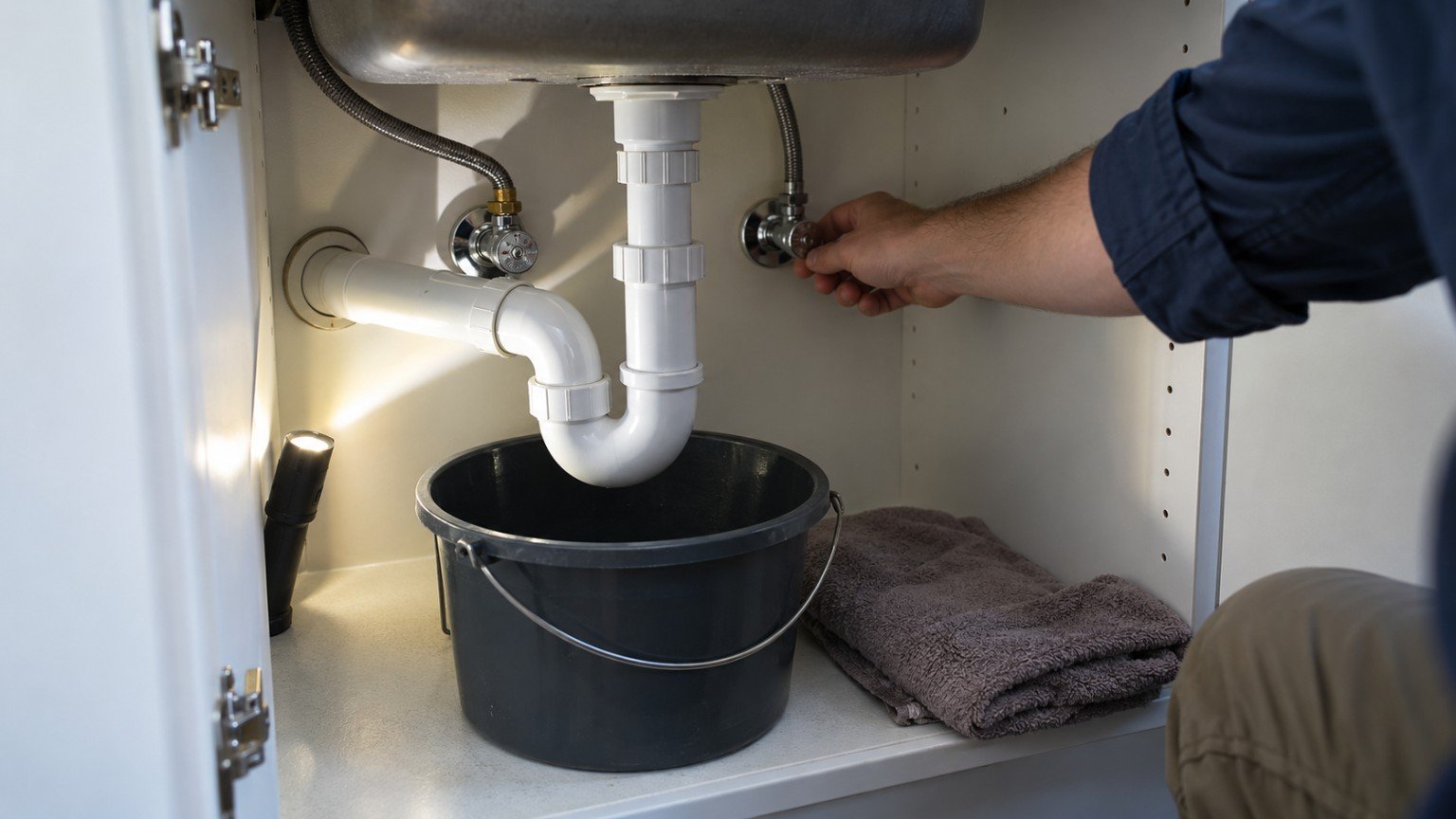
A dripping tap, a slow drain or a running toilet can feel urgent, but not every plumbing issue needs an immediate professional call-out. Some are genuinely simple to check or fix yourself. Others are exactly the kind of job where a licensed plumber isn’t optional, it’s the law, and attempting them yourself can make things worse or unsafe. This guide walks through what’s worth checking first, and where the line sits.
Start with the easy checks anyone can do safely
Is it actually blocked, or just slow?
A slow-draining sink or shower is often a partial blockage of hair, soap residue or food that has built up gradually. Before assuming you need a plumber, try a plunger, a drain snake (a simple, inexpensive tool from any hardware store), or a mix of hot water and dish soap poured slowly down the drain. Chemical drain cleaners can work but are harsh on older pipes and should be used sparingly, if at all.
Check the water supply first
If a tap or appliance suddenly stops producing water, check whether it’s isolated to one fixture or affecting the whole house. A single tap issue often points to a local blockage or a closed isolation valve under the sink. Whole-house loss of water pressure is more likely a supply issue, and worth checking with your water provider before assuming it’s your plumbing at all.
A running or noisy toilet cistern
A toilet that keeps running after flushing is one of the most common household plumbing complaints, and often the cheapest to fix. It’s usually a worn flapper valve or a fill valve that needs adjusting, both replaceable with inexpensive parts from a hardware store, and both are safe DIY jobs that don’t touch the home’s actual plumbing connections.
Common problems you can often fix yourself
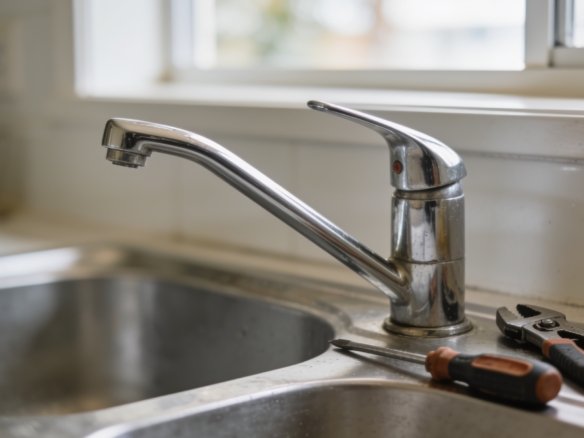
- A dripping tap, often just a worn washer or O-ring
- A slow or partially blocked drain
- A running toilet cistern
- A loose or wobbly tap handle
- Cleaning mineral buildup out of a shower head or tap aerator
These jobs generally involve simple parts you can access without cutting into pipes or working on the home’s main water or gas connections.
Signs it’s genuinely time to call a licensed plumber
Some situations are outside safe DIY territory, and in Australia, unlicensed plumbing work on fixed pipework is against the law as well as a real safety risk. Call a licensed plumber if you notice:
- Water leaking from inside a wall, ceiling or under the slab, rather than from a visible fitting
- A burst pipe or a leak you can’t stop at an isolation valve
- A gas smell near any appliance, which should be treated as an emergency, leave the area, don’t operate switches, and contact your gas provider’s emergency line immediately
- Hot water system faults involving the unit itself, rather than just a tap or fitting
- Any job that requires cutting, joining or altering fixed pipework
- Recurring blockages that suggest a deeper issue, like tree root intrusion in an older sewer line
- Low water pressure across the whole house with no obvious external cause
As a general rule: if the fix involves touching the pipes themselves rather than a tap fitting, washer or accessible part, it’s a licensed plumber’s job.
What to have ready when you call
A plumber can often give a more accurate idea of cost and urgency over the phone if you can tell them: which fixture is affected, whether it’s a leak, blockage or no-water issue, whether you’ve been able to isolate the water supply to that fixture, and how long the problem has been happening. Photos of the affected area, taken before you call, are genuinely useful too.
Renters: what changes for you
If you rent, plumbing repairs are generally the landlord’s or property manager’s responsibility, and arranging your own plumber without approval can create issues around who pays. Report the problem in writing as soon as you notice it, including photos, and ask what the process is for arranging a tradesperson. In an urgent situation, like a burst pipe or a gas smell, most tenancy rules allow for urgent repairs to be arranged quickly, but it’s worth checking your specific lease and state tenancy rules, since the process for urgent repairs varies.
For a wider look at the kinds of issues that come up in established homes, our guide to plumbing and wiring research in older homes covers what to watch for beyond the day-to-day fixes covered here.
Join The Discussion