
 by
by 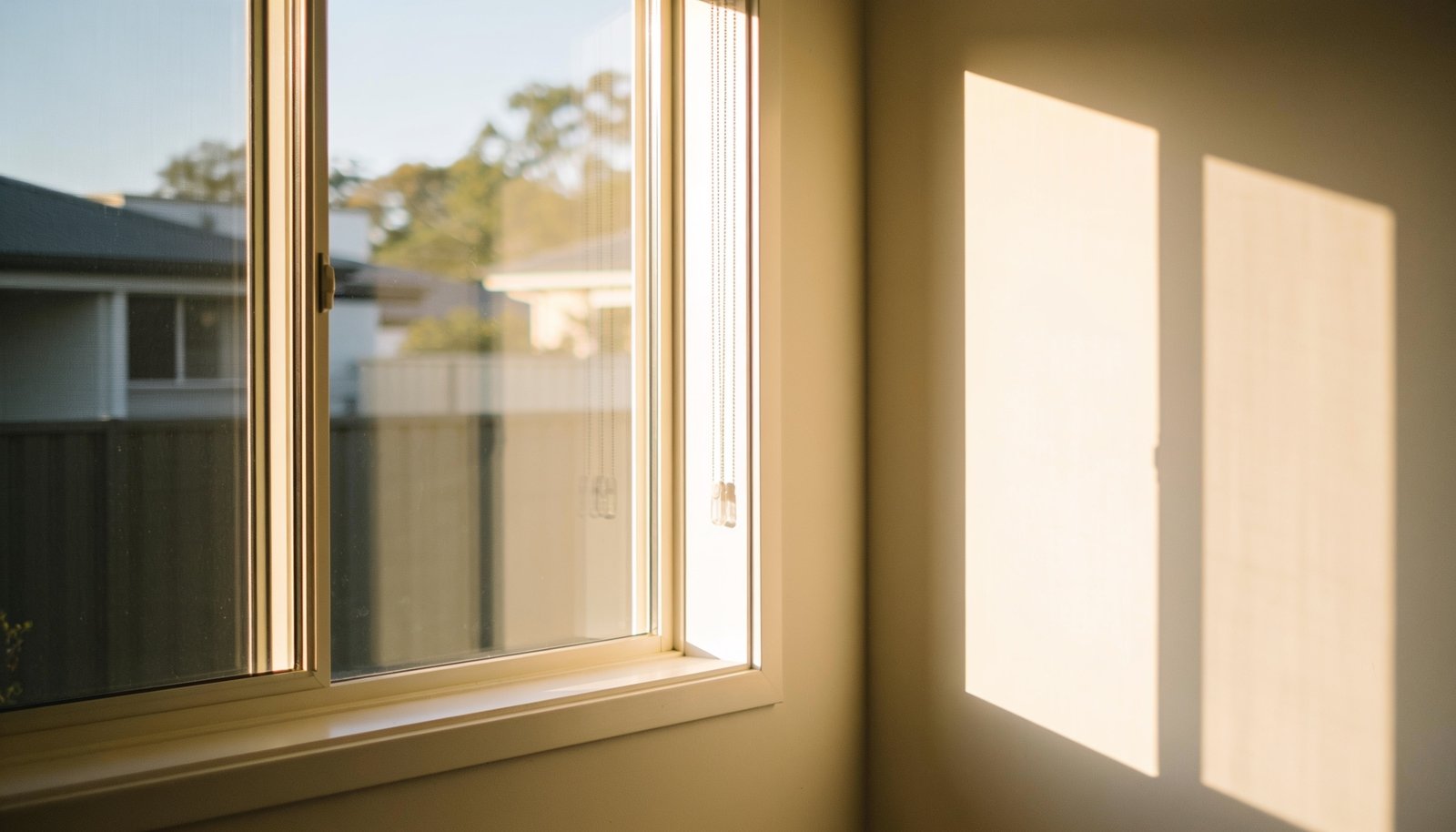
A window that refuses to open can feel like a stubborn lock on a door that never opens. It can make a room feel cramped and reduce airflow, especially during hot days. Knowing how to troubleshoot and fix the problem yourself can save time and keep your home comfortable. Many householders encounter this issue when a window has been left open for a long time, when the frame settles, or when a small piece of debris gets lodged. The good news is that most causes are simple and can be addressed with basic tools. This guide offers step-by-step advice for common scenarios.
Check the Lock and Latch
The first thing to look for is the lock or latch that holds the window in place. If the mechanism has jammed, the window will stay stuck in the closed position. Gently try to disengage the latch by pulling it toward you while applying light pressure to the frame.
Sometimes the latch can become misaligned, especially after a storm or a shift in the frame. Use a flathead screwdriver to adjust the latch slightly, moving it back and forth until it slides freely. If the latch still does not move, it may need to be replaced.
If the latch is a spring-loaded type, check for any bent springs. A bent spring can prevent the latch from retracting. Carefully straighten the spring with a pair of pliers, keeping the tension gentle to avoid breaking it.
Once the latch moves smoothly, test the window by opening it a few times. If it opens and closes without resistance, the problem is solved. If it remains stuck, move on to the next section.
In some cases the lock may be covered by a rubber seal or weatherstripping. Remove the seal carefully and inspect the lock for any visible damage or dirt. Clean the area with a soft cloth to ensure the lock can operate freely.
If the lock is corroded, it may need to be replaced. A replacement lock can be bought at a local hardware store and fitted with a few simple tools. Do not force the lock as it may break.
After replacing the lock, re-install the weatherstripping and test the window again. A properly functioning lock will keep the window secure while still allowing it to open.
If you are unsure about any part of this process, consider calling a professional to avoid damaging the window or the frame.
- Inspect the latch for misalignment.
- Use a screwdriver to adjust the latch.
- Straighten bent springs with pliers.
- Clean the lock area of dirt.
- Replace a corroded lock if necessary.
Remove and Clean the Window Track
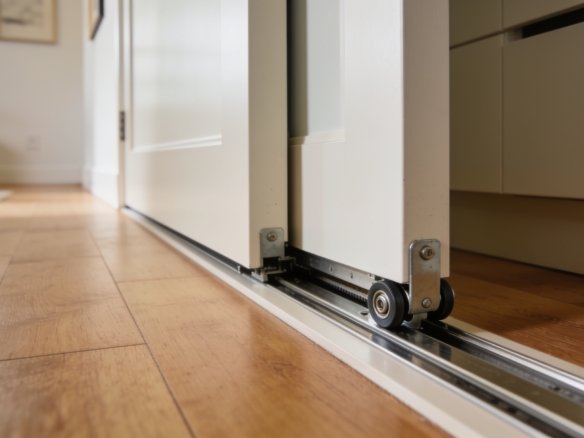
Many windows rely on a track or groove to guide the sash as it moves. Over time, dust, leaves, or small stones can accumulate, causing the window to stick. Begin by opening the window as far as it will go and then removing the sash from the track if it is a sliding type.
If the window is a casement or a tilt-and-turn, lift it gently and slide it out of the frame. Keep the sash level to avoid damaging the hinges. Once removed, inspect the track for any visible blockage.
Use a brush or a long stick to sweep out debris from the track. A soft brush can dislodge larger particles without scratching the surface. For tighter spaces, a small vacuum can be helpful.
After clearing the track, apply a small amount of lubricating oil to the edges. A light coat will reduce friction and allow the sash to glide smoothly. Avoid using too much oil as it can attract more dirt.
Re-insert the sash and test the movement. If it still feels stiff, repeat the cleaning process. A clean track is essential for smooth operation.
If the track is warped or damaged, it may need to be repaired. Minor warps can sometimes be straightened with a hammer and a block of wood, but be careful not to damage the track further.
For significant damage, a professional may need to replace the track or the entire window frame. This ensures safety and proper function.
Always check that the window seals are intact after cleaning. A good seal keeps the interior dry and the temperature stable.
Once the track is clean and lubricated, the window should open and close without resistance.
- Sweep the track with a brush.
- Apply a small amount of lubricating oil.
- Re-insert the sash and test movement.
- Check for warping in the track.
- Seek professional help if track is damaged.
Inspect the Hinges and Screws
The hinges that hold the window sash to the frame can become loose or corroded over time. Tighten any loose screws with a screwdriver, ensuring they are snug but not over-tightened.
If a screw is stripped or damaged, replace it with a new one of the same size. A stripped screw can cause the hinge to wobble, which in turn can jam the window.
Check the hinge pins for any dents or corrosion. A bent pin can prevent smooth movement. Use a small hammer to tap the pin gently back into alignment, being careful not to damage the pin.
If the hinge pins are rusted, clean them with a cloth and a mild cleaner before re-installing. Rust can lock the pin in place.
After all screws and pins are secure, test the window. It should open and close smoothly. If resistance remains, move to the next section.
Sometimes the hinges are not the issue but the frame itself has shifted. Inspect the frame for any visible cracks or gaps. Small cracks can cause the window to bind.
If cracks are found, fill them with a suitable filler and allow it to dry. Once dry, sand the area smooth and repaint if necessary.
If the frame has shifted significantly, a professional may need to realign it to ensure proper operation.
- Tighten loose screws.
- Replace stripped screws.
- Check hinge pins for dents.
- Clean rusted pins.
- Fill cracks in the frame.
Check for Debris in the Window Seal
Weatherstripping and seals around the window can trap small objects such as seeds, leaves, or even small insects. These can create a blockage that prevents the window from opening fully.
Carefully remove the seal from the frame. This can be done by pulling it gently from one corner. Inspect the seal for any lodged items.
Use tweezers or a small brush to remove any debris. Clean the seal surface with a damp cloth to remove any dust.
Once clean, re-apply the seal to the frame, ensuring it sits flush against the edges. A mis-placed seal can cause pressure points that hinder movement.
Test the window after re-sealing. It should open with minimal effort. If it still feels stuck, the seal may be damaged and need replacement.
Replacing a seal is straightforward. Remove the old seal, clean the area, and slide the new seal into place. Ensure it is aligned correctly.
After installation, check that the seal is not too tight. A seal that is too tight can create extra friction.
A properly fitted seal will maintain a good seal against wind and rain while allowing smooth operation.
If the seal is damaged beyond repair, a professional may need to replace the entire window frame.
- Remove the seal carefully.
- Inspect for lodged debris.
- Clean the seal surface.
- Re-apply the seal flush.
- Replace damaged seal if necessary.
Use a Lubricant on the Window Frame
Even with a clean track and hinges, some windows may still feel stiff due to metal-to-metal contact. Applying a suitable lubricant can reduce friction.
Choose a lubricant that is safe for metal and does not attract dust. A light spray or a small amount of oil applied with a cloth works well.
Apply the lubricant to the hinges, the track, and any other moving parts. A thin coat is sufficient; excess can attract dirt.
Wipe away any excess lubricant with a clean cloth to prevent dust accumulation.
Open and close the window several times to work the lubricant into the moving parts. This ensures even distribution.
Check for any remaining resistance. If the window moves smoothly, the lubricant has helped.
If the window remains difficult to open, the lubricant may not be enough. Consider moving to the next troubleshooting step.
Always keep the lubricant away from children and pets. If you suspect the lubricant has entered the window frame, clean it promptly.
- Choose a suitable lubricant.
- Apply a thin coat to hinges and track.
- Wipe excess lubricant away.
- Work lubricant into moving parts.
- Clean if lubricant enters frame.
When to Call a Professional
If all of the above steps do not resolve the issue, the problem may be more complex. Structural damage to the window frame or significant corrosion can compromise safety.
A professional can assess the window for hidden damage, such as warped frames or broken glass, that cannot be fixed with simple home repairs.
They can also replace parts that require specialised tools or expertise, such as the sash or the entire window assembly.
Professional help ensures that the window will operate safely and efficiently, preventing future problems.
If the window is part of a larger building system, a professional may need to coordinate with other trades to maintain overall integrity.
Hiring a professional is a wise choice when the window is old, heavily damaged, or if you are unsure about any repair step.
A skilled technician can provide a lasting solution, saving time and avoiding potential safety risks.
Consider professional assistance if you notice any cracking in the frame, broken glass, or if the window cannot be opened after all attempts.
- Assess for hidden damage.
- Replace parts that need specialised tools.
- Ensure safety and efficiency.
- Coordinate with other trades if necessary.
- Hire a professional if unsure.
A stuck window can be frustrating, but most issues can be solved with a few careful steps. By checking the lock, cleaning the track, inspecting hinges, clearing seals, lubricating moving parts, and knowing when to seek professional help, you can restore smooth operation and keep your home comfortable.
Join The Discussion