
 by
by 
A blind can become a nuisance when it jams, making it difficult to adjust the light entering a room. Understanding why the mechanism fails is the first step to restoring smooth operation. With a few simple checks and adjustments, most jams can be resolved without professional help.
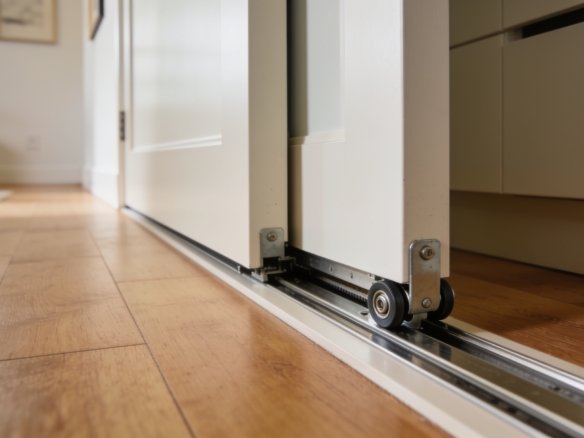
Check the Rails
Inspect the top and bottom rails for any debris or damage. If the rails are bent or warped, they will not guide the blind smoothly. Straighten any bends gently with a flat tool, being careful not to nick the surface.
Ensure the rails are level; an uneven surface can cause the blind to stick. Use a level tool to confirm straightness, and adjust if necessary by loosening the mounting screws. Once level, tighten the screws firmly to keep the rails stable.
Clean the rails with a dry cloth to remove dust and lint that can impede movement. Avoid using wet cleaners, as moisture can seep into the mechanism and cause corrosion.
Check for any loose or missing brackets that support the blind. Replace or secure any weak points to maintain proper alignment.
If the rails are still problematic, consider replacing them with a new set that matches the blind’s size.
Keep the rails free of sharp objects that could catch the blind’s fabric.
A smooth rail surface ensures the blind runs without resistance.
Make sure the blind’s fabric is not frayed or torn, as this can catch on the rails.
If the fabric is damaged, trim or replace the affected section.
A clean, level rail is essential for reliable operation.
- Inspect for debris.
- Level the rails.
- Clean with dry cloth.
Lubricate the Mechanism
Locate the pivot points where the blind’s fabric meets the frame. These points often accumulate dust and can become stiff over time.
Apply a light coat of silicone spray to the pivot areas. Spray evenly and wipe away any excess to prevent build-up.
Move the blind up and down several times to distribute the lubricant evenly.
Check for any squeaking sounds; if present, repeat the lubrication process.
Avoid using oil-based lubricants, as they can attract dust.
Silicone spray dries quickly and does not leave a sticky residue.
Regular lubrication keeps the blind’s movement smooth.
Perform this task every few months to maintain performance.
If the blind remains stiff after lubrication, inspect the fabric for damage.
A well-lubricated mechanism reduces the likelihood of future jams.
Keep the lubricant away from the blind’s fabric to prevent staining.
A simple spray can save hours of frustration.
Ensure the spray is used in a well-ventilated area.
After spraying, allow the blind to dry fully before use.
Silicone spray is safe for most blind materials.
Lubrication is a quick, effective fix for many jamming issues.
- Locate pivot points.
- Apply silicone spray.
- Move up and down.
- Repeat if squeaking.
Adjust the Tension
Many blinds have a tension adjustment knob or screw at the top of the frame. This controls how tightly the fabric is held against the rails.
If the blind is loose, it may catch on the rails and jam. Turn the tension counterclockwise to loosen the fabric.
If the blind is too tight, it may pull unevenly and cause resistance. Turn the tension clockwise to tighten the fabric slightly.
Test the blind after each adjustment, allowing it to run fully up and down.
Seek a balance where the blind moves smoothly without slipping.
Too much tension can cause the fabric to tear over time.
Too little tension can lead to uneven movement.
Adjust gradually, making small changes and testing each time.
If the blind still jams, inspect the tension mechanism for damage.
A worn or broken tension screw may need replacement.
Replacing the tension screw is a straightforward task for most households.
If unsure, seek professional assistance.
Proper tension ensures the blind operates without strain.
Regular checks can prevent future jams.
A balanced tension contributes to the blind’s longevity.
Small adjustments can make a significant difference in performance.
- Locate tension knob.
- Loosen or tighten gradually.
- Inspect for damage.
- Replace if necessary.
Inspect the Fabric
The blind’s fabric should be smooth and free from knots or tears.
Knots can catch on the rails and cause jamming.
Use a pair of scissors to trim any frayed edges carefully.
Avoid cutting too much, as this can alter the blind’s balance.
If the fabric is damaged beyond repair, consider replacing the blind entirely.
A damaged blind may not perform well even after other fixes.
Check for any loose threads that could unravel.
Secure loose threads with a small stitch or by trimming.
Ensure the fabric is not stretched or sagging.
A sagging blind can drag on the rails and jam.
If sagging occurs, adjust the tension to bring the fabric back to level.
If the blind remains uneven, replacement may be the best option.
Fabric quality affects the blind’s lifespan and performance.
Replacing a worn blind can restore smooth operation.
A new blind may also offer improved light control.
Consider the blind’s colour and style when choosing a replacement.
A fresh blind can enhance the room’s aesthetic.
Replacing fabric is a simple, cost-effective solution for persistent issues.
Always use clean, dry hands when handling the fabric.
Avoid pulling or tugging on the fabric during adjustments.
Gentle handling preserves the blind’s integrity.
A well-maintained fabric ensures reliable operation.
Regular inspection prevents small problems from becoming major.
A clean, intact fabric is the foundation of smooth movement.
Take care when trimming or replacing fabric to avoid damage.
Proper fabric care extends the blind’s useful life.
Smooth fabric reduces friction with the rails.
- Trim frayed edges.
- Secure loose threads.
- Adjust tension for sagging.
- Replace if damaged.
Check the Mounting Height
Blinds that are mounted too high or too low can cause uneven pressure on the fabric.
Uneven pressure leads to catching and jamming.
Measure the distance from the top of the frame to the wall or window frame.
If the blind is too high, it may pull on the fabric and jam.
If too low, the fabric may not clear the bottom rail.
Adjust the mounting brackets to achieve a balanced position.
Use a level to confirm the blind sits horizontally.
A level blind reduces the chance of jamming.
If the blind cannot be adjusted, consider replacing the mounting brackets.
Replacing brackets is a straightforward task for most households.
Ensure the brackets are secure and not loose.
Loose brackets can shift the blind and cause jams.
A stable mount keeps the blind aligned.
A well-aligned blind operates smoothly.
Regular checks can catch mounting issues early.
A proper mount contributes to long-term reliability.
Adjusting the height is a simple, effective fix.
A correctly mounted blind reduces maintenance.
Use a Cleaning Brush
Dust and lint accumulate inside the blind’s mechanism over time.
These particles can clog the moving parts and cause jamming.
Use a small, soft-bristled brush to sweep the interior of the blind.
Brush gently to avoid pushing debris further into the mechanism.
Repeat the cleaning after each use if the blind is in a dusty environment.
A clean mechanism runs more smoothly.
If the blind is heavily soiled, use a vacuum with a brush attachment.
Vacuum the interior gently, avoiding excessive force.
After vacuuming, brush again to remove any remaining dust.
Regular cleaning prevents the buildup of debris.
A clean blind is less likely to jam.
Cleaning is a low-cost, high-benefit task.
Perform cleaning at least once a month.
If the blind remains jammed after cleaning, inspect for mechanical damage.
Damaged components may need replacement.
Replacement parts can be sourced from a local hardware store.
Cleaning keeps the blind operating efficiently.
A tidy blind contributes to a pleasant living space.
When to Call a Professional
If the blind’s frame is cracked or severely warped, replacement is necessary.
Cracked frames can compromise the blind’s structural integrity.
If the blind’s mechanism is damaged beyond simple repair, a professional may be required.
Professional services can replace worn components safely.
If the blind is part of a larger window system, coordinated work may be needed.
Professional help ensures proper alignment and safety.
If the blind is in a high place or difficult to access, professional assistance is advised.
Safety should be a priority when handling difficult installations.
Professional services can also offer advice on long-term maintenance.
Consider a professional if multiple attempts at repair fail.
Professional help can prevent further damage.
A professional approach ensures lasting results.
When in doubt, seek expert advice.
Professional help can protect your home’s interior.
By following these practical steps, most blind jamming issues can be resolved without specialist help. Regular maintenance keeps blinds operating smoothly and extends their useful life.

Join The Discussion